
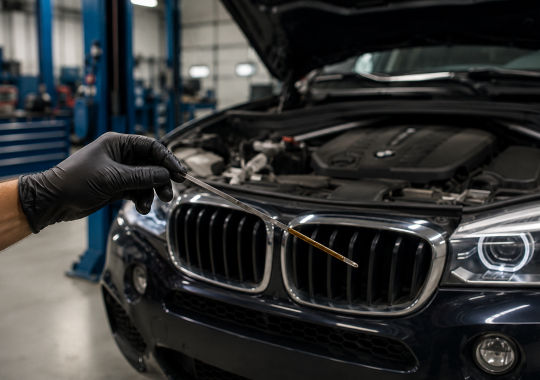
Why Is My BMW X5 Burning Oil? Common Causes Every Owner Should Know
Trusted BMW & European Auto Repair in Tulsa
If you drive a BMW X5 in Tulsa, you expect performance, reliability, and a smooth driving experience. But when you start noticing oil consumption issues, it can quickly become a concern. At VAP Auto Shop, a family-owned European and import repair facility serving Tulsa since 2005, oil consumption problems are something technicians diagnose regularly.
With ASE-certified technicians, advanced diagnostic tools, and deep experience working on BMW engines like the N55 and B58, the team focuses on identifying the root cause—not just topping off oil and sending you on your way. Oil loss is often a symptom of a larger issue, and catching it early can prevent costly engine damage.
Why BMW X5 Engines Burn Oil
BMW engines are engineered for performance, which often means tighter tolerances and higher operating temperatures. While a small amount of oil consumption can be considered normal, excessive oil loss is not.
In our shop, we commonly see BMW X5 models begin to show increased oil consumption around 70,000 to 100,000 miles. At this point, internal components begin to wear, and certain known problem areas start to develop. The key is determining whether the oil loss is within normal limits or a sign of a developing mechanical issue.
If you are frequently adding oil between services, it is worth having the vehicle inspected through European and import engine diagnostics in Tulsa to prevent further damage.
Common Causes of BMW X5 Oil Consumption
From a technician’s perspective, oil burning is rarely caused by a single issue. Instead, it is usually the result of wear across several systems.
One of the most common causes is a failing PCV (positive crankcase ventilation) system. When this system does not regulate pressure properly, it can allow oil to be pulled into the combustion chamber and burned.
Valve cover gasket leaks are another frequent issue. These leaks may not always drip onto the ground but can still lead to oil loss over time. Turbocharged BMW X5 models may also experience oil consumption due to worn turbo seals, which allow oil to enter the intake system.
In higher mileage engines, worn piston rings can allow oil to pass into the combustion chamber. This is a more serious issue that requires proper diagnosis to confirm. Oil filter housing leaks and oil pan leaks can also contribute to oil loss, even if they are not immediately visible.
Different BMW engines can also show slightly different oil consumption patterns. For example, N55 engines are more likely to experience valve cover and PCV-related issues, while B58 engines tend to be more robust but can still develop problems over time if maintenance is neglected. Driving habits also play a role. Short trips that do not allow the engine to fully warm up can increase internal moisture and pressure, which contributes to oil consumption over time.
Because multiple factors can be involved, accurate diagnosis through BMW oil leak and engine repair in Tulsa is essential.
Warning Signs You Should Not Ignore
Oil consumption problems often show warning signs before they become severe. One of the most common is the need to add oil more frequently than usual. BMW’s oil monitoring system may also display low oil level warnings between service intervals.
Some drivers notice blue smoke from the exhaust, especially during acceleration, which indicates oil is being burned in the combustion chamber. A burning oil smell or visible residue around the engine bay can also point to leaks.
In more advanced cases, oil consumption can lead to rough engine performance or misfires if oil contaminates spark plugs. Many BMW owners first notice the issue when performance feels slightly off or when warning messages begin appearing more frequently.
If you find yourself checking oil levels every few weeks or needing to top off between oil changes, it is a strong indicator that something is not functioning properly. Addressing these symptoms early through BMW engine diagnostics in Tulsa can help prevent more serious damage.
How Experienced BMW Technicians Diagnose Oil Consumption Issues
Diagnosing oil consumption requires a systematic approach. At VAP Auto Shop, technicians begin by identifying whether the oil loss is internal (burning) or external (leak).
This process may include inspecting the PCV system, checking for oil leaks, performing compression testing, and evaluating engine performance data. These steps allow technicians to pinpoint the root cause rather than guessing.
One of the most important parts of the process is determining whether the issue is due to normal wear, a failing component, or a combination of both. Misdiagnosis can lead to unnecessary repairs, which is why experience with BMW engines is critical.
In many cases, multiple components may need to be addressed at the same time. Replacing a valve cover gasket or PCV system early can prevent more expensive repairs down the road. Using high-quality parts from trusted manufacturers like Bosch and LIQUI MOLY helps maintain engine reliability.
Drivers looking for accurate BMW repair in Tulsa benefit from working with specialists who understand these engines and can provide long-term solutions.
Frequently Asked Questions
Is it normal for a BMW X5 to burn oil?
A small amount of oil consumption can be normal, especially in high-performance engines. However, frequent oil loss between service intervals is not typical and should be inspected.
How much oil consumption is too much?
If you are adding oil more than once between oil changes, or if warning lights appear regularly, it is a sign that the engine should be inspected.
Can oil consumption damage my engine?
Yes, running low on oil can lead to increased friction, overheating, and internal engine damage over time.
Conclusion: Schedule BMW Oil Consumption Diagnosis in Tulsa
Oil consumption in your BMW X5 is not something to ignore. While some oil use can be normal, consistent loss is usually a sign of an underlying issue that needs attention. Addressing it early can prevent more serious and costly repairs.
At VAP Auto Shop, experienced technicians specialize in diagnosing and repairing BMW engines using advanced tools and proven methods. If you are noticing oil loss or related symptoms, the best next step is to schedule a professional inspection.
Learn more about available European auto repair services in Tulsa or reach out through the contact page to book your appointment. You can also call (918) 398-6670 to speak directly with a technician and get expert guidance before the issue becomes a major repair.
